
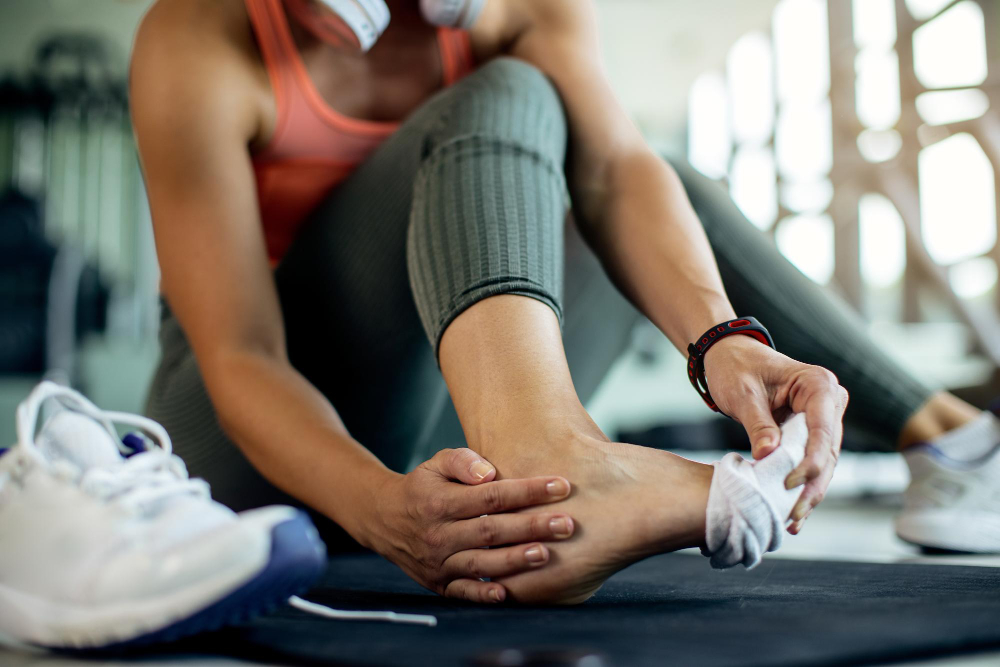
Your running shoes can make a significant difference to the health of your feet, and getting them right can also improve your running performance. When choosing new running shoes, it’s essential to conduct thorough research to ensure you invest in the best options for your feet. Discovering more about your foot type and undergoing a gait analysis that reveals how your feet move when you run can provide the information you need to make informed choices.
Wearing running shoes that suit your feet will enable you to prevent injuries and protect your feet as you run. Shoes that are too big or too small for your feet, or that do not have enough cushioning, will lead to foot problems such as plantar fasciitis, calluses and bunions, which can limit your mobility in the short term and potentially cause permanent damage. Here at The Edge, we have an excellent range of running shoes for men and running shoes for women, which are designed to offer the right level of comfort and support to protect your feet at all times. Check out our brand new range of Puma running shoes!
Your Guide to Foot Types
Taking care of your feet helps to protect your health since they are instrumental in maintaining your mobility, which is essential for your long-term well-being. Each foot contains 26 bones, 33 joints and more than a hundred muscles, tendons and ligaments, so there are plenty of moving parts that require consideration when you are choosing new shoes.
It is helpful to consider your foot type, and there are three main types:
- Neutral arch. If you have a neutral arch, your foot will land evenly when you run, distributing the body weight evenly throughout the foot without excessive movement. This is good news for the feet and also for the back, hips and legs, which may develop pain if the pressure in the feet is uneven.
- Flat feet (overpronation). If the foot overpronates, this means it rolls inward as you walk or run. This can increase the risk of injury, and some more stability will usually be helpful to prevent this.
- High arch (supination). If the feet roll out, away from each other, this is known as supination. This means that the feet do not absorb shock very well, which can cause injuries related to impact.
How to Analyse Your Gait
Your gait is how your feet move when you are running, and analysing it can give you vital information which enables you to protect yourself better while you are exercising.
There are a few ways to analyse your gait, including stepping onto a dry piece of paper with wet feet, which can tell you more about how your feet make contact with the ground. You can also look at the soles of your old running shoes to see how they have worn. If there is a lot of wear on the outer side, this suggests that your feet tend to supinate, while a lot of wear on the inside shows overpronation.
You can also seek professional advice and have your gait analysed in our store. This is usually done using a treadmill or video assessment, and can help when you are choosing new running shoes.
Finding the Right Running Shoes
Once you have found out more about your unique foot type, you can choose shoes that are designed to offer you the correct amount of support and protection. Running shoes contain innovative sporting technology, and this can optimise your comfort and keep your feet in great shape. Look out for:
- Cushioning. Ensuring that your new running shoes have enough cushioning will protect your feet against impact-related injuries such as stress fractures and plantar fasciitis. Cushioning will help to absorb the shock as you run, as well as supporting the feet in the correct position. If your feet tend to supinate (roll outwards) or you have high arches, additional cushioning will be even more helpful.
- Stability. Shoes that have more structured arch support and cushioning can help to keep the feet more stable as you run. If you have discovered that your feet tend to overpronate, you will want to look for shoes with extra stability, with additional cushioning to provide more control if the overpronation is severe.
- Support. The support your shoes provide will help to prevent injuries from stress or overuse, and you can match the level of support to your foot type. If you have a balanced foot strike, for instance, you will need cushioning for shock absorption but may not require high levels of support for your arches.
- Heel-to-toe drop. The difference in height between the heel and the front of the foot will affect the way your foot meets the ground when you run, and you can experiment to find the best option for your foot shape.
- Outsole grip. The type of running shoes you wear and the type of outsole grip you prefer will depend upon the type of running you do, and different types of grip are better suited to certain surfaces. You will find specialised options for road running, trail running and track running.
It is also important to consider your own preferences, since some runners prefer a firmer sole, while others feel the benefits of extra cushioning. Trying several different types of shoes in store will give you a much better idea than ordering online, and you can also seek expert advice to ensure you find a good fit for your feet.
When to Replace Your Running Shoes
It may be tempting to wear your running shoes until they fall apart, especially if they are comfortable, but you will increase your risk of injury and foot pain if you run in shoes that are worn out. A good pair of running shoes will usually last for around 300-500 miles, which is about four to six months for the average runner.
You should replace your running shoes when they show any signs of wear or damage, especially if there is damage to the tread or it is worn down, as this can reduce the effectiveness of your grip and increase the likelihood of slipping. If you notice a change in your comfort level or feel that the midsole is compressed, this is a good time to begin transitioning into new running shoes – a gradual process is recommended to avoid blisters. If you notice any aching or discomfort after running, do not ignore this – start looking for new running shoes that will give your feet the protection they need.
Find The Best Running Shoes at The Edge
Your running shoes are essential for the health of your feet, and we can help you find the right pair for your foot type and gait. Our expert team will be happy to advise you on the best shoes for different types of running, and you can find the latest designs in our range.
At The Edge, we also have an extensive variety of equipment and clothing for outdoor activities, including cycling, walking and triathlon, and you can find our full catalogue on our website.


